
Return and Exchanges
Return exchanges are a critical aspect of the e-commerce landscape, impacting both customer satisfaction and business operations. In the context of online retail, a return exchange refers to the process by which a customer returns a purchased item and receives a replacement or a different item in exchange. This process is essential for maintaining customer trust and loyalty, as it allows consumers to rectify issues related to their purchases.
Statistically, approximately 30% of online purchases are returned, which is significantly higher than the return rates for brick-and-mortar stores, typically around 8-10%. This discrepancy highlights the importance of having a well-defined return exchange policy that is both customer-friendly and operationally feasible. A robust return exchange policy can enhance customer confidence, leading to increased sales and repeat business.
From a logistical perspective, return exchanges require efficient inventory management and processing systems. Companies must be prepared to handle returned items, assess their condition, and determine whether they can be restocked or need to be discounted. According to industry studies, businesses that implement streamlined return processes can reduce return-related costs by up to 20%.
Moreover, the nature of the product plays a significant role in return exchanges. For instance, items such as clothing and accessories often have higher return rates due to sizing issues or personal preferences. In contrast, products like electronics may have lower return rates but can involve more complex return processes due to warranty and functionality concerns. Understanding these dynamics is crucial for merchants to tailor their return exchange policies effectively.
In addition to operational considerations, return exchanges also have implications for customer experience. A seamless return process can significantly enhance customer satisfaction. Research indicates that 92% of consumers are likely to make a repeat purchase if the return process is easy and straightforward. Therefore, investing in user-friendly return exchange systems can yield substantial long-term benefits for e-commerce businesses.
In conclusion, return exchanges are an integral component of the e-commerce ecosystem. By understanding the statistical trends, logistical challenges, and customer experience implications associated with return exchanges, merchants can develop effective strategies that not only facilitate returns but also foster customer loyalty and drive sales growth.
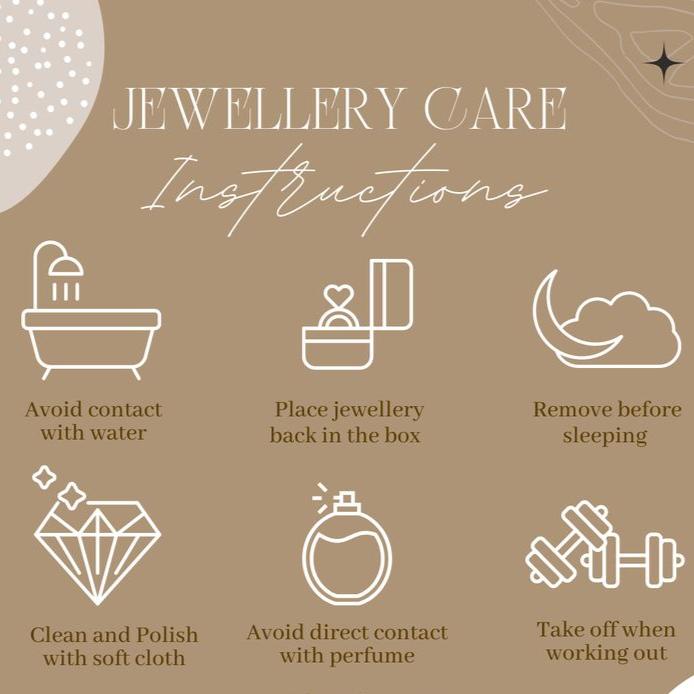
sterling silver care guide
To care for sterling silver, regularly clean it with a soft cloth to remove dirt and oils, store it in a dry, cool place away from moisture and chemicals, polish occasionally with a silver cleaner to restore shine, and avoid prolonged exposure to water and harsh environments to prevent tarnishing.
Care guide for jewelllery
- Clean Regularly: Use a soft, lint-free cloth to wipe down pieces after wearing. For deeper cleaning, use a mild soap and warm water solution; gently scrub with a soft brush if needed.
- Store Properly: Store jewelry in separate compartments or soft pouches to prevent scratching. Consider using anti-tarnish strips or cloths in your storage.
- Avoid Chemicals: Keep jewelry away from household cleaners, perfumes, and beauty products. Apply cosmetics and fragrances before putting on jewelry.
HOW LONG DOES STERLING SILVER LAST?
- Sterling Silver can last a lifetime, but despite our best efforts, it can still get dirty. When the inevitable occurs and you notice your jewelry has darkened or become dull, there is GOOD NEWS! Tarnish is not permanent…AND it is easily removed!
- To do this, use a jewelry cloth (not paper towels or toilet paper) to clean your goods.
- If you do not have a jewelry cloth on hand, you can use a natural product such as baking soda water paste to rub off the dirty marks on your jewelry.
- Focus on maintaining long up-and-down strokes to clean the jewelry. Be sure to use different parts of the cloth to avoid spreading any tarnish.
HOW TO CARE FOR PEARLS:
- Pearls are sensitive so don't forget to treat them with love.
- Avoid direct contact with chemicals found in perfume or other cosmetics.
- To help do so, make sure they are the last thing you put on before going out and the first thing you take off when you come home.